
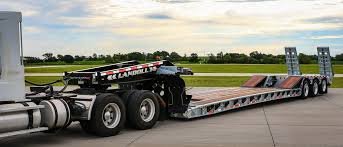
In today’s heavy haul and logistics industry, permit load transport services are essential for moving oversized, overweight, and specialized cargo safely and legally across state or national routes. Whether it’s construction machinery, industrial components, or energy infrastructure, transporting these loads requires strict compliance with Department of Transportation (DOT) regulations, route planning, and specialized equipment.
For businesses relying on heavy logistics, understanding how permit load transport services work can reduce delays, prevent fines, and ensure smooth delivery schedules. Companies like Heavy Lux provide structured solutions that handle permitting, escort coordination, and route management so clients can focus on operations rather than regulatory hurdles.
This guide breaks down everything you need to know about permit loads, compliance requirements, and how modern logistics providers streamline the entire process in 2026.
What Are Permit Load Transport Services?
Permit load transport services refer to the specialized logistics solutions required to move freight that exceeds standard legal size or weight limits. These loads are commonly called:
- Oversize loads
- Overweight loads
- Wide loads
- Long combination vehicles
- Superloads (in extreme cases)
Because these shipments exceed legal road limits, transport companies must obtain DOT permits, coordinate route approvals, and often arrange escort vehicles (pilot cars).
Typical cargo requiring permits includes:
- Excavators and bulldozers
- Industrial generators
- Wind turbine blades
- Steel beams and construction modules
- Oil and gas equipment
These services ensure that transportation remains compliant with infrastructure safety standards while minimizing risks to public roads and drivers.
Why Permit Load Transport Services Matter
Permit compliance is not optional it is a legal requirement enforced by transportation authorities across all regions. Failure to secure proper permits can result in:
- Heavy fines and penalties
- Shipment delays or seizures
- Liability in case of accidents
- Insurance claim denials
- Road safety violations
Beyond legal compliance, permit load transport services also ensure operational efficiency. Proper planning helps determine:
- The safest route for oversized cargo
- Bridge and overpass clearance
- Weight distribution across axles
- Required escort vehicle support
- Time-of-day travel restrictions
In industries such as construction, energy, and manufacturing, even a single delay can cost thousands of dollars per hour. That’s why professional permit management is a critical part of logistics planning.
Key Challenges in Heavy Haul and Permit Transport
Transporting oversized freight is far more complex than standard shipping. Some of the most common challenges include:
1. Regulatory Complexity
Each state or region has different rules for oversize load permits. A shipment crossing multiple jurisdictions may require multiple approvals.
2. Route Restrictions
Certain roads, bridges, and tunnels cannot accommodate wide or heavy loads. Route surveys are required to avoid obstacles.
3. Timing Constraints
Some permits only allow travel during daylight hours or off-peak traffic times to reduce public risk.
4. Escort Requirements
Depending on size, loads may require:
- Front escort vehicles
- Rear pilot cars
- Police escorts (in extreme cases)
5. Equipment Selection
Choosing the right trailer is critical:
- Lowboy trailers for heavy machinery
- Step deck trailers for tall equipment
- Extendable trailers for long cargo
Each of these challenges requires careful coordination and expert handling.
How Heavy Lux Simplifies Permit Load Transport Services
Working with an experienced logistics provider significantly reduces the complexity of oversize shipping. Heavy Lux specializes in managing end-to-end permit load transport services, ensuring compliance, safety, and efficiency at every stage.
Through its structured logistics approach, Heavy Lux handles:
- Permit acquisition across jurisdictions
- Route planning and feasibility analysis
- Coordination of escort vehicles
- Load scheduling and timing optimization
- Equipment matching (lowboy, step deck, etc.)
Integrated Compliance Management
Instead of clients navigating multiple agencies, Heavy Lux centralizes permit applications and regulatory approvals into one streamlined workflow.
Real-Time Logistics Coordination
Advanced tracking and communication systems ensure that shipments remain on schedule, even when rerouting is required due to weather or road conditions.
Risk Reduction Focus
By proactively analyzing bridge limits, road restrictions, and axle load distribution, the risk of violations or transport damage is significantly reduced.
For more details about their services, visit Heavy Lux.
Step-by-Step Permit Load Transport Process
Understanding the workflow behind permit load transport services helps businesses better plan their logistics timeline.
Step 1: Load Assessment
The process begins by analyzing:
- Weight
- Dimensions
- Cargo type
- Center of gravity
Step 2: Route Planning
Logistics specialists map out the safest and most efficient route, avoiding restricted infrastructure and low-clearance areas.
Step 3: Permit Application
Applications are submitted to the relevant DOT or transportation authorities, including state-specific approvals.
Step 4: Equipment Allocation
Appropriate trailers and support vehicles are assigned based on load specifications.
Step 5: Escort Coordination
Pilot cars or escorts are scheduled when required by law.
Step 6: Transport Execution
The shipment is moved under strict compliance monitoring, with real-time communication between drivers and coordinators.
Step 7: Delivery Confirmation
Upon arrival, final inspections ensure that the cargo is delivered safely and without damage.
Safety and Compliance in Permit Transport
Safety is the foundation of all permit load transport services. Every stage of transport must align with federal and state safety regulations.
Key safety practices include:
- Pre-trip inspections of trailers and cargo
- Weight distribution checks across axles
- Use of warning flags and signage
- Proper lighting for night or low-visibility travel
- Communication between all escort units
Compliance also involves adhering to DOT rules on:
- Hours of service
- Load securement standards
- Bridge weight formulas
- Speed restrictions for oversize loads
These measures are not just legal requirements, they are essential for protecting drivers, infrastructure, and the public.
Choosing the Right Permit Load Transport Provider
Not all logistics companies offer the same level of expertise. When selecting a provider for permit load transport services, consider the following:
1. Regulatory Experience
Look for companies with proven experience handling multi-state permits and complex regulatory environments.
2. Equipment Capability
Ensure they can provide the right trailers for your cargo type, including lowboys and extendable trailers.
3. Route Optimization Expertise
Advanced route planning reduces delays and avoids unnecessary detours.
4. Communication Transparency
Real-time updates and clear coordination are critical for time-sensitive shipments.
5. Safety Record
A strong safety history indicates reliability and professionalism.
Choosing a qualified provider ensures your cargo reaches its destination efficiently and without compliance issues.
Future Trends in Permit Load Transport Services (2026 and Beyond)
The logistics industry is rapidly evolving, and permit transport is no exception. Several trends are shaping the future:
1. Digital Permit Systems
Many jurisdictions are transitioning to fully digital permitting platforms, reducing processing time significantly.
2. AI Route Optimization
Artificial intelligence is being used to calculate optimal routes based on bridge data, traffic flow, and road restrictions.
3. Real-Time Load Tracking
GPS and IoT sensors allow clients to monitor shipments in real time with greater accuracy.
4. Sustainability in Heavy Haul
Companies are adopting fuel-efficient routing and low-emission transport methods to reduce environmental impact.
5. Automation in Compliance
Automated systems are streamlining paperwork and reducing human error in permit applications.
These advancements are making permit load transport services faster, safer, and more efficient than ever before.
Why Permit Load Transport Services Are Essential
In modern logistics, oversized freight cannot move without precision planning, regulatory compliance, and specialized expertise. Permit load transport services ensure that heavy and oversized cargo is transported safely, legally, and efficiently across complex transportation networks.
From route surveys and DOT permits to escort coordination and equipment selection, every step requires professional oversight. Partnering with experienced providers like Heavy Lux ensures that businesses avoid costly delays and compliance risks while maintaining operational efficiency.
To learn more or request support for your next heavy haul project, visit Heavy Lux.