
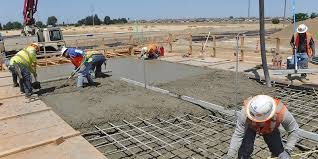
Concrete slab installation is one of the most critical stages in any residential or commercial construction project. When done correctly, it provides unmatched strength, stability, and longevity for structures ranging from home foundations to driveways, patios, and garage floors. For contractors and property owners alike, understanding the process behind professional concrete slab installation is essential for ensuring long-term performance and avoiding costly repairs.
In today’s construction landscape, quality workmanship matters more than ever. Companies like Ike MN Construction continue to demonstrate how precision, proper material selection, and modern techniques can significantly improve structural outcomes. This guest post explores the best practices, key considerations, and expert insights that define successful slab installation in 2026.
Why Concrete Slab Installation Matters in Modern Construction
A properly executed concrete slab installation forms the backbone of durable infrastructure. It supports structural loads, resists environmental stress, and provides a level surface for finishing work. Whether it’s a residential foundation or a commercial flooring system, the slab determines how well the entire structure performs over time.
Key reasons it remains a preferred construction method include:
- High compressive strength suitable for heavy loads
- Cost-effectiveness compared to alternative foundation systems
- Low maintenance requirements over time
- Versatility across multiple applications
- Resistance to fire, pests, and moisture damage
When these benefits are combined with expert craftsmanship, concrete becomes one of the most reliable building materials available.
Planning Phase The Foundation of Successful Concrete Slab Installation
Before any concrete is poured, the planning phase sets the stage for success. This is where experienced contractors evaluate soil conditions, load requirements, and environmental factors.
Site Evaluation and Soil Testing
Soil quality directly impacts slab performance. Weak or unstable soil can lead to cracking, sinking, or uneven settling. Professional builders typically conduct compaction tests and evaluate drainage conditions before proceeding.
Accurate Measurements and Layout
Precision is essential in concrete slab installation. Contractors use laser leveling tools and string lines to ensure accurate dimensions and proper alignment with architectural plans.
Permits and Compliance
Modern construction standards require adherence to local building codes. Securing permits and ensuring compliance prevents legal issues and ensures structural safety.
Essential Steps in Professional Concrete Slab Installation
A successful installation follows a structured process. Each step contributes to the strength and durability of the final slab.
1. Site Preparation
The area is cleared of debris, vegetation, and topsoil. Excavation is then performed to reach the required depth, ensuring a stable base.
2. Subgrade Compaction
Compacting the soil is crucial to prevent future shifting. A well-compacted subgrade reduces the risk of cracking and uneven surfaces.
3. Formwork Installation
Wooden or metal forms are installed to define the slab’s shape. These forms hold the concrete in place during pouring and curing.
4. Base Layer Addition
A gravel or crushed stone base is added to improve drainage and stability. This layer acts as a buffer between soil and concrete.
5. Reinforcement Placement
Steel rebar or wire mesh is added to strengthen the slab. Reinforcement helps distribute loads and minimizes cracking over time.
6. Concrete Pouring
The concrete mix is poured evenly across the surface. Timing and consistency are critical during this stage to avoid weak spots.
7. Leveling and Finishing
Using screeds and trowels, contractors smooth the surface to achieve the desired finish. Depending on the application, finishes may include broom texture, polished surfaces, or stamped designs.
8. Curing Process
Curing allows the concrete to reach its maximum strength. Proper moisture control during this phase is essential for long-term durability.
Common Mistakes to Avoid in Concrete Slab Installation
Even small errors can compromise the integrity of a slab. Avoiding these common mistakes ensures better performance and fewer repairs:
- Skipping soil compaction or using untested soil
- Improper concrete mixing ratios
- Insufficient reinforcement placement
- Pouring concrete in extreme weather conditions
- Rushing the curing process
- Poor drainage planning around the slab
Experienced contractors understand that precision at every stage directly impacts long-term results.
Modern Innovations in Concrete Slab Installation (2026 Trends)
The construction industry continues to evolve, and concrete technology is no exception. Modern concrete slab installation now incorporates advanced materials and techniques designed to improve strength and sustainability.
Fiber-Reinforced Concrete
Synthetic fibers are increasingly used to reduce cracking and improve tensile strength without heavy steel reinforcement.
Smart Moisture Control Systems
New curing technologies allow contractors to monitor moisture levels in real time, ensuring optimal curing conditions.
Eco-Friendly Concrete Mixes
Sustainable construction practices are driving the use of low-carbon cement alternatives and recycled aggregates.
Laser-Guided Leveling Equipment
Precision tools reduce human error and improve surface flatness, especially in large commercial projects.
How to Choose the Right Contractor for Concrete Slab Installation
Selecting the right contractor is just as important as the materials used. A skilled professional ensures proper execution from start to finish.
Look for contractors who offer:
- Proven experience in slab construction
- Strong portfolio of completed projects
- Proper licensing and insurance
- Transparent pricing and detailed estimates
- Knowledge of local soil and climate conditions
- Positive client reviews and testimonials
Working with experienced professionals like Ike MN Construction helps ensure that every stage of the project meets industry standards and long-term performance expectations.
Benefits of Professional Concrete Slab Installation
Hiring experts provides several long-term advantages:
- Reduced risk of structural failure
- Higher durability and load-bearing capacity
- Improved energy efficiency in buildings
- Better surface aesthetics and finishing options
- Lower maintenance and repair costs over time
Professional installation is an investment that pays off through decades of reliable performance.
What This Means for Your Project
Concrete slab installation remains a cornerstone of modern construction due to its strength, versatility, and long-term value. However, achieving optimal results requires careful planning, skilled execution, and adherence to industry best practices.
From soil preparation to curing, every step influences the final outcome. By partnering with experienced professionals and prioritizing quality materials and techniques, property owners can ensure a stable foundation that stands the test of time.
For those seeking reliable construction expertise, Ike MN Construction continues to represent the standards of craftsmanship and professionalism that modern concrete projects demand.
A well-executed slab is more than just a surface, it’s the foundation of everything built above it. ikemnconstructions.