
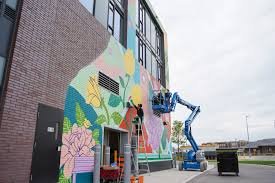
Public art consulting services are becoming a defining force in how modern cities, commercial developments, and cultural districts are designed and experienced. In an era where spaces are expected to do more than function, there is growing demand for environments that tell stories, reflect identity, and foster connection. This is where public art consulting services play a transformative role bridging creativity, strategy, and urban development into one cohesive approach.
From large-scale murals to immersive installations and sculptural landmarks, public art is no longer an optional aesthetic layer. It is a strategic tool for placemaking, community engagement, and long-term value creation. Within this evolving landscape, specialists such as Embrace Creatives are helping shape how art integrates with architecture, infrastructure, and public life.
The Growing Importance of Public Art Consulting Services
Public spaces today are expected to reflect cultural identity while remaining functional and accessible. Public art consulting services ensure that artistic interventions are not random additions but intentional elements that enhance the environment.
In urban planning and development, these services help align artistic vision with broader goals such as community engagement, tourism growth, and brand identity for districts or institutions. Instead of treating art as decoration, it becomes a core part of spatial storytelling.
The increasing demand is driven by several global shifts:
- Urbanization and densification of cities
- Rising emphasis on cultural identity in development projects
- Need for more human-centered design in public environments
- Increased investment in experiential spaces
As a result, public art consulting services are now seen as essential rather than optional in many development strategies.
How Public Art Consulting Services Shape Meaningful Spaces
The true value of public art consulting services lies in their ability to transform empty or underutilized spaces into meaningful destinations. This transformation does not happen randomly; it requires careful planning, research, and creative direction.
Each project typically begins with understanding the space itself its history, its users, and its physical characteristics. From there, concepts are developed that align artistic expression with environmental context.
Public art consultants often consider:
- How people move through and interact with the space
- What cultural or historical narratives can be expressed
- How materials and forms respond to climate and surroundings
- How the artwork supports long-term maintenance and durability
By addressing these factors, public art becomes deeply integrated into the environment rather than simply placed within it.
Strategic Planning in Public Art Consulting Services
Effective public art consulting services rely heavily on structured planning. Without a clear strategy, even the most visually impressive artwork may fail to resonate or function within its intended space.
Site Analysis and Contextual Research
The process begins with detailed site analysis. This includes studying architecture, pedestrian flow, surrounding infrastructure, and environmental conditions. Understanding context ensures that the artwork feels naturally connected to its surroundings.
Historical and cultural research is also essential. Many successful projects draw inspiration from local stories, traditions, or significant events that define the identity of a place.
Concept Development and Creative Direction
Once research is complete, conceptual development begins. This stage focuses on translating insights into artistic direction. The goal is to create ideas that are not only visually compelling but also meaningful and site-specific.
At this stage, public art consulting services often collaborate with artists, architects, and developers to ensure alignment across all stakeholders.
Feasibility and Technical Planning
A strong concept must also be practical. Feasibility studies assess materials, structural requirements, budget constraints, and installation logistics. This ensures that the vision can be executed safely and sustainably.
Key technical considerations include:
- Structural engineering and safety compliance
- Environmental exposure and material resilience
- Maintenance requirements over time
- Installation timelines and site accessibility
This balance between creativity and practicality is what defines high-quality public art consulting services.
Community Engagement as a Core Principle
One of the most important aspects of modern public art consulting services is community involvement. Public art exists in shared environments, meaning it should reflect the people who interact with it daily.
Engagement strategies often include workshops, surveys, and collaborative sessions where community members can contribute ideas or feedback. This participatory approach helps ensure that the final artwork resonates with its audience.
Community-centered design can:
- Strengthen local identity and pride
- Encourage public interaction with art
- Reduce resistance to new developments
- Create a sense of ownership and belonging
When communities see themselves reflected in public art, spaces become more than just physical locations they become cultural landmarks.
The Role of Expertise in Delivering Impactful Public Art
Public art consulting services require a blend of creative expertise and technical knowledge. Unlike traditional art creation, public installations must meet a wide range of structural, environmental, and social requirements.
Expert consultants understand how to navigate these complexities while preserving artistic integrity. This includes working with engineers, fabricators, city officials, and developers to ensure that every aspect of a project is aligned.
Organizations such as Embrace Creatives demonstrate how interdisciplinary collaboration leads to stronger outcomes. By combining artistic vision with strategic execution, public art becomes both meaningful and sustainable.
Public Art Consulting Services and Urban Development
As cities continue to expand, public art consulting services are increasingly integrated into urban development strategies. Developers and planners recognize that art can significantly enhance the value and appeal of a project.
In commercial districts, public art can:
- Attract visitors and increase dwell time
- Enhance branding and identity of developments
- Improve walkability and visual experience
- Support economic activity in surrounding businesses
In residential and mixed-use developments, public art contributes to livability and emotional connection, making spaces more desirable for residents and tenants.
This integration of art and development reflects a broader shift toward experience-driven urban design.
Sustainability in Public Art Consulting Services
Sustainability has become a major focus in contemporary public art consulting services. As environmental concerns grow, there is increasing emphasis on using eco-friendly materials and responsible production methods.
Sustainable approaches include:
- Use of recycled or locally sourced materials
- Energy-efficient lighting and interactive systems
- Low-impact fabrication techniques
- Designs that minimize long-term environmental footprint
Sustainability also extends to durability. Long-lasting materials reduce the need for replacement or repair, ensuring that installations remain relevant and cost-effective over time.
Technology and Innovation in Public Art
Technology is reshaping public art consulting services in significant ways. Digital tools now allow for interactive installations, augmented reality experiences, and data-driven art that responds to environmental or social inputs.
Some emerging innovations include:
- Motion-activated installations that respond to movement
- Projection mapping on architectural surfaces
- AR-enhanced public art experiences
- Smart installations that change based on data inputs
These advancements are expanding the possibilities of what public art can achieve, making it more immersive and engaging than ever before.
Choosing the Right Public Art Consulting Services
Selecting the right partner is essential for successful outcomes. Not all providers offer the same level of expertise, and the complexity of public art projects requires a highly specialized approach.
Important qualities to look for include:
- Proven experience in large-scale public installations
- Strong portfolio across diverse environments
- Ability to manage multidisciplinary collaboration
- Deep understanding of cultural and spatial context
- Commitment to long-term project success
A well-qualified consultancy ensures that every stage from concept to completion is executed with precision and creativity.
Conclusion
Public art consulting services have become a cornerstone of modern placemaking, shaping how people experience and connect with shared environments. By combining strategy, creativity, and community insight, these services transform ordinary spaces into meaningful cultural destinations, a vision strongly reflected in the work of Embrace Creatives.
As urban environments continue to evolve, the role of public art will only become more important in defining identity, improving livability, and fostering connection. Through expert guidance and thoughtful execution, public art consulting services help ensure that spaces are not only functional but also inspiring, inclusive, and enduring.