
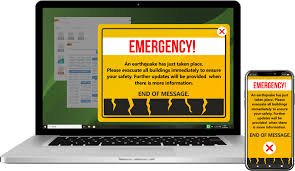
In today’s fast-changing risk landscape, emergency notification systems have become a critical layer of protection for organizations of all sizes. Whether it’s a cyber incident, natural disaster, workplace hazard, or infrastructure failure, these systems ensure that the right message reaches the right people at the right time. Modern emergency notification systems are no longer limited to simple text alerts they now integrate with multiple communication channels, automation tools, and real-time data sources to support fast, coordinated responses.
For businesses operating in 2026, communication speed and accuracy during emergencies can significantly influence safety outcomes, operational continuity, and brand trust. This is why emergency notification systems are now considered a core part of organizational resilience planning rather than an optional tool.
Understanding Emergency Notification Systems and Their Role in Risk Management
At their core, emergency notification systems are communication platforms designed to rapidly distribute critical alerts across multiple channels. These may include SMS, email, voice calls, mobile push notifications, desktop alerts, and even digital signage.
However, modern systems go beyond simple broadcasting. They are built to:
- Deliver targeted messages based on user roles or locations
- Automate alerts based on predefined triggers
- Confirm message receipt and response status
- Integrate with security, IoT, and monitoring systems
- Maintain redundancy to ensure uptime during crises
In risk management frameworks, these systems act as the communication backbone during incidents. Without them, even well-prepared emergency plans can fail due to delays or miscommunication.
Why Emergency Notification Systems Matter in 2026
The importance of emergency notification systems has increased significantly due to evolving threats and workplace complexity. Organizations now face a broader range of disruptions, including:
- Cyberattacks targeting critical infrastructure
- Extreme weather events linked to climate change
- Hybrid and remote workforce communication gaps
- Physical security threats in public-facing environments
- Supply chain interruptions impacting operations
In 2026, speed is no longer enough precision and reach are equally important. A delayed or unclear message can lead to confusion, operational downtime, or even safety risks.
Key reasons these systems are essential today include:
- Faster decision-making during incidents
- Reduced response time for evacuation or containment
- Improved coordination across distributed teams
- Regulatory compliance in safety-critical industries
- Stronger trust from employees and stakeholders
Businesses that invest in reliable communication infrastructure are better positioned to manage uncertainty and maintain continuity under pressure.
Core Features of Modern Emergency Notification Systems
Not all systems are built the same. Modern emergency notification systems combine multiple technologies to ensure reliability and scalability.
1. Multi-Channel Communication Delivery
Messages are sent simultaneously across SMS, email, mobile apps, and voice systems to maximize reach.
2. Geo-Targeting and Audience Segmentation
Alerts can be customized based on location, department, or risk exposure, ensuring relevance and reducing alert fatigue.
3. Real-Time Monitoring and Triggers
Integration with sensors, IT monitoring tools, and security systems enables automated alert activation when anomalies occur.
4. Two-Way Communication
Recipients can acknowledge alerts, provide status updates, or request assistance, improving situational awareness.
5. System Redundancy and Failover
Backup servers and communication pathways ensure alerts still go out even during system outages.
6. Analytics and Reporting
Post-incident reporting helps organizations evaluate response effectiveness and improve future preparedness.
Types of Emergency Notification Systems Used by Organizations
Different organizations adopt different models depending on size, industry, and risk profile.
Mass Notification Systems
These systems are designed for large-scale alerts across entire organizations or geographic regions. They are commonly used in enterprises, universities, and government agencies.
Incident-Specific Notification Platforms
Focused on specific types of risks such as cybersecurity breaches, facility emergencies, or IT outages.
Integrated Safety Platforms
These combine emergency alerts with broader safety management tools such as access control, surveillance, and incident reporting.
Cloud-Based Notification Systems
Highly scalable systems that allow remote management and rapid deployment across global teams.
Each type plays a distinct role, but most modern organizations are moving toward integrated, cloud-enabled solutions for better flexibility.
Implementing Emergency Notification Systems Effectively
Deploying an emergency communication system requires more than just selecting a platform. A structured implementation approach ensures effectiveness.
Step 1: Risk Assessment and Planning
Identify potential threats specific to your organization, including operational, environmental, and cybersecurity risks.
Step 2: Audience Mapping
Define who needs to receive alerts, including employees, contractors, stakeholders, and emergency responders.
Step 3: Communication Channel Selection
Choose a combination of SMS, email, voice, and mobile alerts to ensure redundancy.
Step 4: System Integration
Connect the notification system with IT monitoring tools, HR databases, and security infrastructure.
Step 5: Testing and Simulation
Conduct regular drills and simulations to ensure messages are delivered correctly and quickly.
Step 6: Training and Awareness
Employees should understand how alerts work and what actions are expected when they receive one.
Best Practices for Emergency Notification Systems
To maximize effectiveness, organizations should follow proven operational practices:
- Keep messages short, clear, and action-focused
- Avoid technical jargon during emergency communication
- Use predefined templates for common scenarios
- Regularly update contact databases
- Test systems quarterly or after major updates
- Ensure multilingual support for diverse workforces
- Maintain compliance with data protection and safety regulations
These practices help reduce confusion and ensure that alerts lead to immediate and appropriate action.
Compliance, Security, and Trust Considerations
Emergency communication systems often handle sensitive personal and operational data. As a result, compliance and security are critical.
Organizations should ensure:
- Data encryption in transit and at rest
- Role-based access control for administrators
- Compliance with workplace safety regulations
- Audit trails for all alert activity
- Secure integration with third-party platforms
Trust is also built through reliability. If employees consistently receive accurate and timely alerts, confidence in the system increases significantly.
The Future of Emergency Notification Systems
As technology continues to evolve, emergency notification systems are becoming more intelligent and predictive.
Key trends shaping the future include:
AI-Driven Alert Prioritization
Artificial intelligence helps determine message urgency and tailor communication based on user behavior and risk level.
Predictive Risk Detection
Systems increasingly rely on data analytics and IoT sensors to anticipate incidents before they escalate.
Unified Digital Workspaces
Emergency alerts are being integrated into collaboration tools like dashboards, messaging apps, and enterprise platforms.
Voice and Wearable Integration
Smartwatches and wearable devices are becoming additional alert channels for real-time notifications.
Autonomous Response Systems
In some environments, alerts can automatically trigger safety protocols such as lockdowns, system shutdowns, or evacuation procedures.
These innovations are pushing emergency communication from reactive systems toward proactive safety ecosystems.
Final Thoughts
In a world where disruptions are increasingly unpredictable, emergency notification systems play a central role in organizational resilience. They ensure that communication remains fast, accurate, and coordinated when it matters most.
Businesses that invest in modern systems are better equipped to protect people, maintain operations, and respond confidently during critical events. As organizations like Instrata continue to support digital transformation in communication infrastructure, the role of these systems will only grow in importance across industries worldwide.