
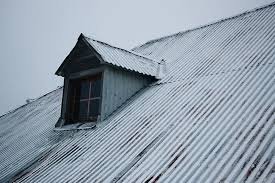
A homeowner in Harvest Hills learned an expensive lesson during the winter of 2022. After three consecutive snowstorms, she noticed her bedroom door wouldn’t close anymore. Figured the house had settled or something. A week later, a crack appeared in the hallway ceiling. Two weeks after that, a section of her garage roof collapsed under the accumulated weight of nearly a metre of compacted snow.
Total repair bill: just north of $34,000.
The short answer to whether heavy snow can damage a roof is absolutely yes. The longer answer involves understanding exactly how that damage happens, what warning signs to watch for, and what homeowners can actually do about it. Because while snow on rooftops makes for a cozy winter scene, the physics involved are anything but charming.
Snow Is Heavier Than It Looks
That fluffy white stuff piling up on the roof? Not as light as it appears.
Fresh dry powder weighs roughly 5 pounds per cubic foot. Seems manageable. But Calgary snow rarely stays fluffy for long. Sun during the day melts the surface. Cold at night refreezes it. Each cycle compresses and densifies the snow. Packed snow can hit 15 to 20 pounds per cubic foot. Add freezing rain to the mix and suddenly there’s ice involved, which weighs over 50 pounds per cubic foot.
Do the math on an average 1,400 square foot roof with 60 centimetres of settled snow and ice layers throughout. That’s potentially 25,000 to 35,000 pounds sitting up there. Residential roof structures in Alberta are typically engineered for snow loads between 21 and 46 pounds per square foot depending on the region and when the home was built. Exceed those limits and structural failure becomes a real possibility.
What Happens When Limits Get Exceeded
Roofs don’t just suddenly give way without warning. Well, occasionally they do. But usually the structure communicates distress before catastrophic failure.
It starts with deflection. Rafters and trusses bend under increasing load. This bending transfers stress to connection points, walls, and door frames. Doors start sticking because their frames are no longer square. Cracks appear in drywall, especially around corners and openings. Popping or cracking sounds come from the attic as wood members flex under strain.
More severe warning signs include visible sagging in the ceiling or roofline, cracks that grow noticeably wider over hours or days, and doors that won’t open at all anymore. These indicate the structure is approaching its limit. Immediate action is required. Not next week. Not when the weather clears. Right now.
Ice Dams: The Hidden Destroyer
Pure weight isn’t the only way snow wrecks roofs. Ice dams cause more damage to Calgary homes than most people realize, and the destruction often stays hidden until spring.
The process works like this. Heat from inside the house rises into the attic and warms certain areas of the roof deck. Snow on those warmer sections melts. The melt water flows downhill toward the eaves. But eaves extend beyond the warm interior space, so they stay cold. Water hits the cold eaves and freezes into a ridge of ice.
Now there’s a dam at the roof edge. Subsequent melt water pools behind it. Water finds gaps in the shingles. It seeps under the roofing material and onto the deck. From there it soaks into insulation, runs down interior walls, and creates perfect conditions for mold and rot that won’t be discovered until months later.
Homes with poor attic insulation and inadequate ventilation face the highest ice dam risk. The fix involves addressing those underlying issues rather than just dealing with symptoms after they appear. Understanding how a complete roof system works together helps homeowners recognize where their vulnerabilities might be.
Flat Roofs Face Extra Risk
Calgary has plenty of homes with flat or low-slope roof sections. Split-levels from the 1970s. Modern infills with flat-roof additions. Detached garages with minimal pitch. These structures face elevated snow load concerns because they don’t shed accumulation naturally.
A steeply pitched roof sheds snow as it accumulates. Gravity does the work. Flat roofs just hold whatever falls on them until spring melt or manual removal. Three big storms in January means three storms worth of snow sitting up there compacting into an increasingly dense, heavy mass.
Homeowners with flat roof sections need to pay closer attention during heavy snow winters. The warning signs matter more. The thresholds for taking action are lower. And the option of just waiting for spring to deal with it carries higher risk than it would for a steeply pitched roof that’s been shedding snow all along.
Should You Remove Snow From Your Roof?
This question comes up every heavy snow season. The short answer: probably not, but it depends.
For most Calgary homes with standard pitched roofs and no structural deficiencies, normal winter snow loads fall within design limits. The roof handles it. No intervention needed. Climbing onto an icy roof to shovel snow introduces serious fall risk with minimal benefit in most situations.
Exceptions exist though. Flat or very low-slope sections holding deep accumulation. Multiple storms in rapid succession with no melt between. Any warning signs of structural stress. Previous structural issues or known deficiencies. In these cases, snow removal becomes prudent rather than paranoid.
For reachable eaves, a roof rake operated from the ground works safely. Stay off the roof itself. Clear snow from the lowest several feet to reduce ice dam potential and take some load off the eaves. For anything requiring ladder work or actual roof access, hiring professionals with proper equipment and insurance is the smart play. Saving a few hundred dollars isn’t worth a hospital stay.
Fall Prep That Actually Helps
The most effective snow damage prevention happens before snow arrives. Fall is the time to set a roof up for winter success.
Attic insulation and ventilation come first. Proper insulation keeps heat in the living space rather than warming the roof deck. Adequate ventilation maintains uniform roof surface temperatures that prevent ice dam formation. Homes with chronic ice dam problems almost always have deficiencies in one or both areas.
Gutter cleaning is mandatory. Clogged gutters prevent melt water drainage and accelerate ice buildup at the roof edge. Takes an afternoon. Prevents thousands in potential damage.
Finally, address any deferred roof repairs before freeze-up. Damaged shingles, compromised flashing, worn sealant around penetrations. All these create entry points for water once ice dam conditions develop. A fall inspection identifies what needs attention while there’s still time to fix it. Connecting with a local roofer in September or October beats scrambling for help during a January crisis.
Spring Damage Assessment
Winter hides its damage until spring reveals it. Once snow clears and temperatures stabilize, a thorough inspection catches problems before they worsen.
Check shingles for cracking, lifting, or missing pieces. Freeze-thaw cycles are hard on roofing materials and winter often claims a few shingles even on newer roofs. Examine all flashing carefully. Ice movement can pull flashing loose or break its seal against adjacent surfaces.
The attic deserves special attention. Look for water staining on the underside of the deck. Check insulation for dampness. Sniff for musty odors that indicate mold development. Any signs of water infiltration warrant immediate investigation because what’s visible often represents a fraction of the actual damage.
Respect What Winter Can Do
Calgary winters aren’t gentle. Some years bring moderate snowfall that most roofs handle without issue. Other years deliver storm after storm until even well-built structures approach their limits. Knowing the difference matters.
That homeowner in Harvest Hills wishes she’d paid attention to the sticky door and the ceiling crack. By the time she connected the dots, the garage roof was already in her car. Thirty-four thousand dollars in repairs later, she now monitors snow accumulation religiously and has her roof inspected every fall without fail.
Heavy snow absolutely can damage roofs. But informed homeowners who understand the risks, recognize warning signs, and prepare properly rarely end up with surprise collapses. Stay attentive during heavy snow events. Take warning signs seriously. And never assume a roof can handle unlimited accumulation just because it always has before.