
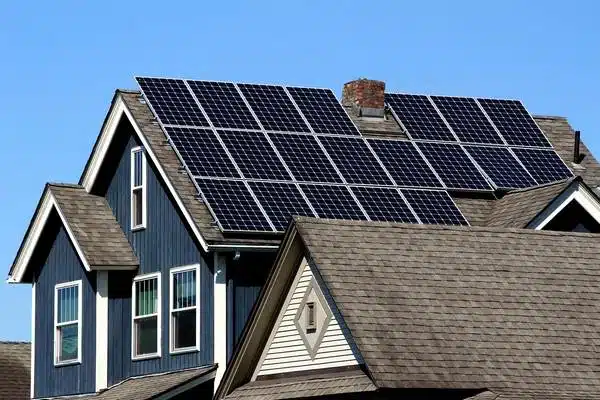
Drive around Calgary’s industrial parks and commercial districts lately and you’ll notice something interesting. More and more warehouse roofs, office buildings, and retail centers are sporting solar panels. This isn’t some trendy environmental statement (though that’s part of it). It’s cold, hard business calculation driving this shift.
Commercial property owners in Calgary are discovering that solar roofing makes financial sense in ways it didn’t even five years ago. The combination of falling equipment costs, improved technology, generous incentive programs, and rising electricity rates has fundamentally changed the math. What was once a long-shot investment with questionable returns has become a legitimate profit center that pays for itself faster than most business owners expect.
Let’s dig into why commercial solar is taking off in Calgary and whether it makes sense for your building.
The Financial Case Just Got Compelling
Ten years ago, commercial solar installations in Calgary faced serious skepticism. The payback periods stretched 15 to 20 years. That’s a tough sell when most business owners think in quarterly results and five-year plans. But the economics have shifted dramatically.
Solar panel costs have dropped roughly 90% over the past decade. Installation labor has become more efficient as contractors gain experience and specialized equipment becomes standard. Inverter technology has improved while getting cheaper. All of this translates into total system costs that are less than half what they were a decade ago.
Meanwhile, electricity rates keep climbing. Calgary’s commercial electricity rates have increased steadily, and there’s no indication that trend will reverse. Every rate increase improves the value proposition for solar because you’re offsetting more expensive grid power with free solar energy.
The result? Payback periods for commercial solar in Calgary now commonly run 7 to 12 years. For businesses planning to own their buildings long-term, that’s a no-brainer investment. After payback, you’re essentially getting free electricity for another 15 to 20 years of panel lifespan. Over a 25-year period, the return on investment can hit 200% to 300% or more.
And here’s something most people don’t realize about commercial installations versus residential: the economics actually improve as system size increases. Larger commercial systems benefit from economies of scale in equipment costs and installation labor. The per-watt price drops as you go bigger.
Flat Roofs Are Perfect for Solar
Walk through any commercial or industrial area and you’ll see mostly flat roofs. That’s actually ideal for solar installations in ways that aren’t immediately obvious.
Flat roofs allow installers to position panels at optimal angles regardless of the roof’s orientation. Unlike residential sloped roofs where you’re stuck with whatever direction the roof faces, commercial flat roofs let you point every panel south for maximum production. You can tilt panels to the perfect angle for Calgary’s latitude (around 30 to 35 degrees) and space them to minimize shading.
The installation process on flat roofs is also typically simpler and safer. No one’s working on steep pitches. Equipment can be staged on the roof itself. Mounting systems often use ballasted solutions that don’t require roof penetrations at all, eliminating leak risks and making future panel removal or repositioning straightforward.
Large flat roofs provide extensive unshaded space perfect for solar arrays. A typical big-box retail store or warehouse might have 50,000 to 100,000 square feet of roof area. That’s enough space for solar installations generating hundreds of kilowatts, potentially covering most or all of the building’s electricity needs.
The reflective roof membrane commonly used on commercial flat roofs also helps solar panel efficiency. Lighter colored roofs reflect more light onto the underside of panels and keep the roof surface cooler, which improves panel performance since solar panels produce more electricity at lower temperatures.
Incentive Programs Sweeten the Deal
Various federal and provincial programs have made commercial solar even more attractive in recent years. These incentives can reduce effective project costs by 25% to 40%, dramatically improving payback timelines.
The federal government offers the Canada Greener Homes Grant program, though it’s primarily residential-focused. However, businesses can access other federal incentives through programs targeting commercial energy efficiency improvements. These change periodically, so working with solar installers who stay current on available incentives is crucial.
Alberta has offered various solar rebate and incentive programs through organizations like the Municipal Climate Change Action Centre. These programs provide grants or forgivable loans for commercial solar installations that meet certain criteria.
Utility companies sometimes run programs encouraging commercial renewable energy adoption. ENMAX and other utilities have offered various net metering programs and incentives that affect the economics of commercial solar.
The federal Accelerated Capital Cost Allowance (ACCA) program allows businesses to write off solar installation costs much faster than normal depreciation schedules. Instead of depreciating the asset over 25 years, you can claim the full value much more quickly, creating significant tax advantages in the years immediately following installation.
Navigating these incentive programs can be complex because they change, they have specific eligibility requirements, and applications require documentation and planning. But the potential savings are substantial enough that businesses serious about solar should absolutely pursue every applicable incentive.
Corporate Sustainability Commitments
Let’s be honest. Businesses care about image. Corporate sustainability commitments aren’t just environmental idealism. They’re strategic business decisions driven by customer expectations, investor pressure, and competitive positioning.
Many large corporations have committed to carbon neutrality or aggressive emissions reduction targets. For companies operating in Calgary, commercial solar is one of the most visible and effective ways to demonstrate progress toward those goals. A rooftop covered in solar panels sends a clear message about environmental commitment.
Customer and tenant expectations increasingly favor businesses that demonstrate sustainability practices. Retail centers with solar installations attract environmentally conscious consumers. Office buildings with solar appeal to tenants who want to operate in green-certified spaces. This isn’t theoretical. Studies show measurable preference among consumers and business tenants for companies demonstrating environmental responsibility.
Investor and lender expectations also drive solar adoption. ESG (Environmental, Social, Governance) criteria increasingly affect access to capital and cost of borrowing. Properties with renewable energy installations often receive preferential treatment in financing decisions and may qualify for green building certifications that enhance property value.
For publicly traded companies, sustainability reporting has become standard practice. Installing commercial solar provides concrete data points for annual reports, investor presentations, and marketing materials. It’s tangible evidence of environmental commitment rather than vague promises about future intentions.
Energy Independence and Resilience
Calgary’s electrical grid is generally reliable, but outages happen. For some commercial operations, even brief power interruptions create expensive problems. Manufacturing facilities lose production. Data centers risk equipment damage. Refrigerated warehouses face product loss. Medical facilities need uninterrupted power for critical equipment.
Commercial solar installations paired with battery storage systems provide energy resilience that protects against grid failures. When designed properly, these systems can maintain power to critical loads during outages, keeping essential operations running while competitors sit idle.
Even without battery storage, solar reduces dependence on grid electricity during peak demand periods when rates are highest. This “peak shaving” saves money by reducing the electricity drawn from the grid during expensive peak hours. The building generates its own power when electricity prices spike, insulating the business from those high costs.
Energy independence also provides protection against future rate increases. Nobody knows exactly how electricity rates will change over the next 20 years, but locking in a portion of your energy supply at fixed costs (essentially zero after payback) provides budget certainty that grid-only electricity can’t match.
Property Value Enhancement
Commercial properties with solar installations command premium valuations for several reasons. First, the solar system itself represents a valuable asset that generates measurable income through electricity cost savings. Appraisers can calculate the net present value of those savings and add it to property value.
Second, solar installations appeal to environmentally conscious tenants willing to pay premium rents for green-certified buildings. LEED certification and similar green building standards explicitly reward renewable energy installations, and buildings with these certifications rent for 5% to 15% more than comparable conventional buildings in many markets.
Third, solar reduces operating expenses, which increases net operating income. Since commercial property values are typically calculated as a multiple of NOI, even modest reductions in electricity costs can substantially increase property values. A building saving $20,000 annually on electricity might see property value increase by $200,000 or more depending on prevailing capitalization rates.
For building owners planning eventual sale, solar installations represent improvements that provide returns at sale in addition to ongoing operational savings. That dual benefit makes solar one of the higher-ROI capital improvements available to commercial property owners.
Improved Public Relations and Marketing
A business installing solar gets tangible marketing benefits. It’s a story local media often covers positively. It provides content for social media posts, press releases, and marketing materials. It demonstrates community leadership and environmental responsibility in ways that resonate with various stakeholders.
For customer-facing businesses, solar installations become part of the brand narrative. The coffee shop with solar panels isn’t just serving good coffee. They’re serving coffee while reducing their carbon footprint. The auto dealership with solar isn’t just selling cars. They’re demonstrating commitment to the future. These aren’t trivial distinctions to consumers who increasingly make purchasing decisions based partly on corporate values.
The public relations value extends to employee recruitment and retention too. Quality employees, especially younger workers, increasingly consider employer values when choosing where to work. Companies demonstrating environmental commitment through concrete actions like solar installations appeal to employees who want their work to align with their values.
Technical Advantages for Commercial Buildings
Commercial buildings have electrical characteristics that make solar particularly effective. Many commercial operations run primarily during daylight hours, which aligns perfectly with solar production. When your peak electricity consumption happens during solar’s peak production hours, you get maximum benefit from every panel installed.
Commercial buildings also typically have higher electricity consumption overall, which means more potential for solar offset. A warehouse running 24/7 with significant HVAC, lighting, and equipment loads can utilize large solar arrays effectively. The bigger your electricity bill, the more value solar provides in reducing it.
Three-phase electrical service common in commercial buildings integrates well with larger solar installations. Commercial-grade inverters and electrical infrastructure handle substantial solar capacity efficiently. And commercial buildings often have existing electrical infrastructure that’s robust enough to accommodate solar integration without extensive upgrades.
The maintenance advantages also favor commercial solar. Building owners already have maintenance contracts for HVAC, roofing, and other systems. Adding solar maintenance to existing facility management practices is straightforward. Larger commercial systems also justify more sophisticated monitoring that identifies and addresses performance issues quickly.
Addressing Common Concerns
Despite the compelling advantages, some commercial property owners hesitate due to misconceptions about commercial solar.
Concern about roof condition is valid but manageable. If your roof needs replacement within 10 years, replace it first then install solar. If your roof is relatively new, solar mounting systems properly installed don’t compromise roof integrity. Many use ballasted systems requiring no roof penetrations at all.
Worry about technology becoming obsolete is understandable but shouldn’t prevent installation. Yes, solar technology improves over time. But waiting for better technology means losing years of energy production and savings. The panels available today will produce electricity reliably for 25+ years. That’s a long time to delay savings while waiting for incrementally better technology.
Concerns about maintenance are often overstated. Commercial solar requires minimal maintenance. Panels need occasional cleaning. Inverters might need replacement once during the system’s lifespan. Monitoring systems catch most issues before they significantly affect production. Annual maintenance costs typically run less than 1% of the system’s value.
Questions about financing options for businesses without capital for upfront investment have good answers. Power purchase agreements let businesses install solar with zero upfront cost, paying only for the electricity the system produces at rates lower than grid electricity. Leasing programs spread costs over time. Various financing structures exist to match different business situations and preferences.
Making the Decision
If you own or manage commercial property in Calgary, solar deserves serious evaluation. Start by assessing your building’s suitability. Get actual electricity usage data for the past 12 to 24 months. Understand your rate structure and peak demand charges. Evaluate roof condition and available space.
Then talk to multiple solar installers who specialize in commercial projects. Get detailed proposals that include production estimates, cost breakdowns, available incentives, and financial projections. Don’t just compare bottom-line costs. Compare the quality of equipment, installation expertise, warranty coverage, and ongoing support.
Model various scenarios. What does cash purchase look like versus financing? How do different incentive programs affect payback? What happens if electricity rates increase faster than projected? Running sensitivity analyses helps you understand risks and potential outcomes.
Talk to other commercial property owners who’ve installed solar. Ask about their experience with installers, actual performance versus projections, unexpected issues, and whether they’d do it again. Real-world experience from similar businesses provides valuable perspective beyond what any sales presentation can offer.
The Timing Question
Solar technology will continue improving. Equipment will get slightly better and incrementally cheaper. But the opportunity cost of waiting can exceed the benefit of future improvements. Every year you delay is a year of electricity production and savings lost forever.
Current incentive programs won’t last indefinitely. Government programs get modified or eliminated as budgets change and priorities shift. The generous incentives available today might not exist in five years. Installing solar while attractive incentives are available makes more sense than gambling that future incentives will be even better.
Rising electricity rates work in your favor when evaluating solar, but they also mean delaying installation costs you more in grid electricity while you wait. The longer you wait, the more expensive electricity you buy instead of producing your own.
For most commercial property owners in Calgary with suitable buildings and decent electricity consumption, the question isn’t whether to install solar eventually. It’s whether there’s any good reason to wait. For many businesses, the answer is that waiting just postpones benefits that could start accumulating now.